Bendita Film Sales Acquires Indigenous Coming-of-Age Film 'The Condor Daughter' Ahead of Toronto Premiere
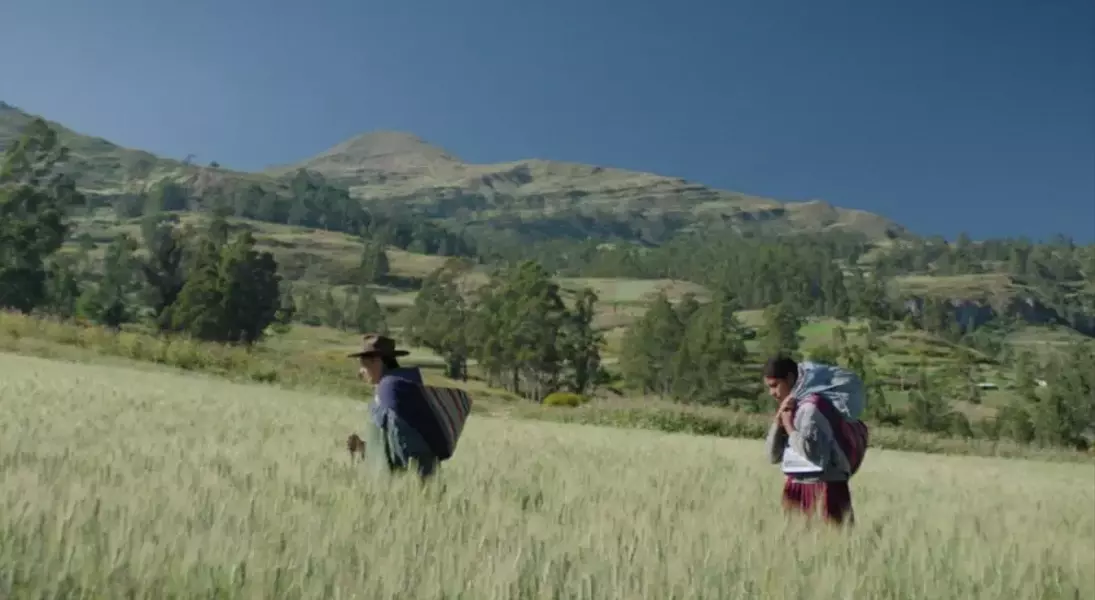
A significant cinematic development sees Bendita Film Sales acquiring global rights for Álvaro Olmos Torrico's latest feature, 'The Condor Daughter.' This acquisition precedes the film's highly anticipated world premiere at the Toronto Film Festival. The movie, a poignant coming-of-age narrative, delves into the intricate balance between ancestral traditions and personal aspirations. It garnered considerable attention at Ventana Sur, establishing its reputation as a profound exploration of identity and societal expectations. The production, a collaborative effort involving Bolivia's Empatia Cine, Peru's Ayara Producciones, and Uruguay's LaMayor Cine, showcases a rich tapestry of South American filmmaking talent. Luis Renart, the head of Bendita Film Sales, expressed immense pride in championing a film that offers such a tender and universally resonant portrayal of cultural change and self-discovery.
Global Premiere Set for Álvaro Olmos Torrico's 'The Condor Daughter' at Toronto Film Festival
In a significant cinematic event, Bendita Film Sales has officially acquired the rights to Álvaro Olmos Torrico's much-anticipated second feature film, 'The Condor Daughter' ('La Hija Cóndor'). This strategic move comes just as the film prepares for its grand world premiere at the esteemed Toronto Film Festival, scheduled to run from September 4th to 14th. The film has been selected for the festival's Centrepiece Program, a segment dedicated to showcasing narratives with profound global relevance and compelling storytelling.
The narrative centers on Clara, portrayed by Marisol Vallejo Montaño, a youthful Quechua midwife. Her journey unfolds as her fervent passion for singing and innate curiosity lead her away from her tranquil, remote community toward the bustling city, where she aims to realize her musical dreams. The stark dichotomy between her tranquil Indigenous village and the vibrant, overwhelming urban environment forms a powerful backdrop to her quest. Back in her community, Clara's significant contributions, particularly her graceful and essential midwifery, are deeply missed. Consequently, the village dispatches the revered matriarch Ana, played by María Magdalena Sanizo, to persuade Clara to return home.
Olmos Torrico, the visionary behind this project, shared his insights into the film's core themes. He highlighted the critical role traditional midwives play in rural communities, acting as custodians of Indigenous values and cultural heritage. The director described the filmmaking process as an introspective journey of extensive research and a profound reconnection with the land, emphasizing its intricate portrayal of time, perception, the interplay of sound and silence, the contrast between rural and urban life, and the universal themes of life and death.
The film's journey to the screen was a six-year endeavor, supported by a dedicated international crew from Bolivia, Uruguay, and Peru. It received critical acclaim during its development, securing the Arthouse Cinema Award at Cinélatino Toulouse and earning three accolades at Ventana Sur’s Copia Final: the Apclai – Festival De Trieste, Ciné + Festival, and Titrafilm awards. Marisol Vallejo Montaño, who impressively portrays Clara, is also a self-taught musician, known for her folk band Estrella del Valle, which boasts a substantial following of over 2.9 million on TikTok. The ensemble cast also includes Nelly Huayta, Alisson Jimenez, and Gregoria Maldonado, alongside María Magdalena Sanizo.
Álvaro Olmos Torrico is also recognized for his 2019 debut feature, 'Wiñay,' which achieved a global release on Amazon Prime, marking a milestone for Bolivian cinema. Furthermore, he has contributed as a producer to several notable films, including Martín Boulocq’s 'The Visitor' (2022 Tribeca player) and Yashira Jordan’s impactful debut, 'Diamond' ('Diamante'). His entrepreneurial spirit also led to the creation of BoliviaCine.com, Bolivia’s pioneering SVOD platform dedicated to national cinema.
This film serves as a poignant reminder of the universal struggle to reconcile personal ambitions with communal obligations. It sheds light on the often-overlooked yet vital roles played by traditional figures within Indigenous societies, fostering a deeper appreciation for cultural continuity and the wisdom passed down through generations. The narrative’s exploration of the urban-rural divide and the complexities of identity in a rapidly changing world offers valuable insights, prompting audiences to reflect on their own allegiances and desires for authenticity. The film's journey from its initial conception through its acclaimed development to its impending global premiere underscores the enduring power of storytelling to bridge cultural divides and illuminate the human condition.